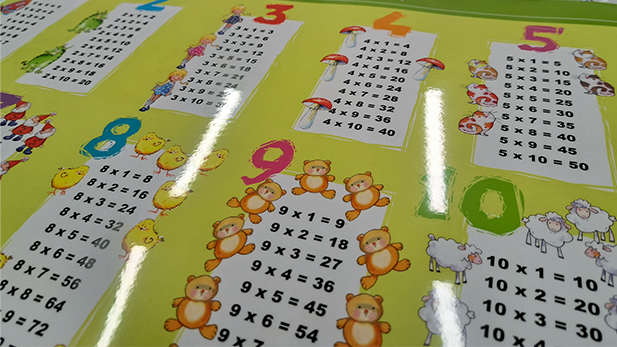
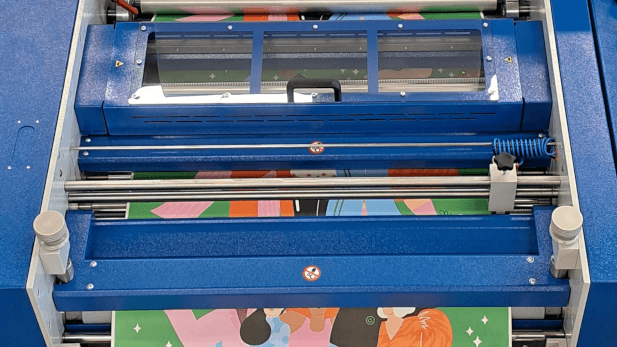
Selecting the appropriate separation method depends primarily on the type of laminating film being used. Standard BOPP films are ideally suited to Burst Separation, whereas highly tear-resistant mater...
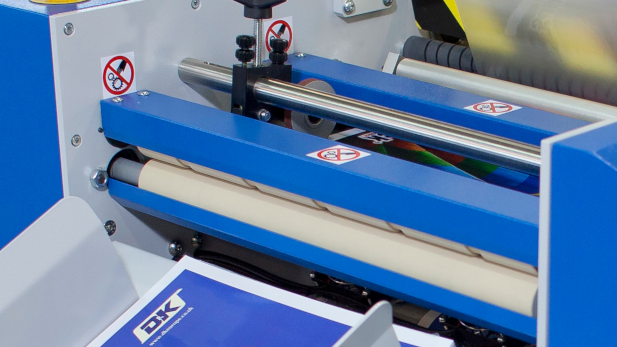
Burst separation has remained the primary method of separating laminated sheets for many years. Despite the emergence of newer technologies such as the Flying Knife, it still delivers the highest prod...
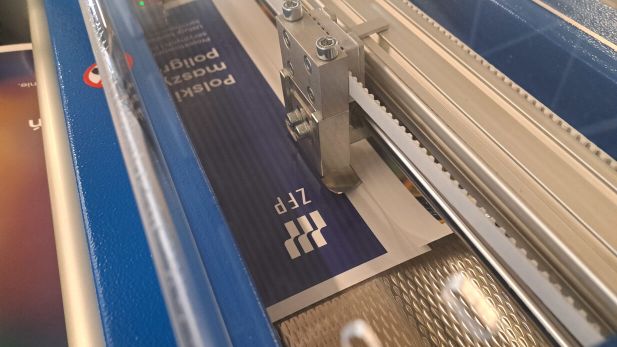
The Flying Knife Separator was developed to overcome the limitations of conventional Burst Separators. By mechanically cutting the laminating film instead of tearing it, it enables the automatic separ...
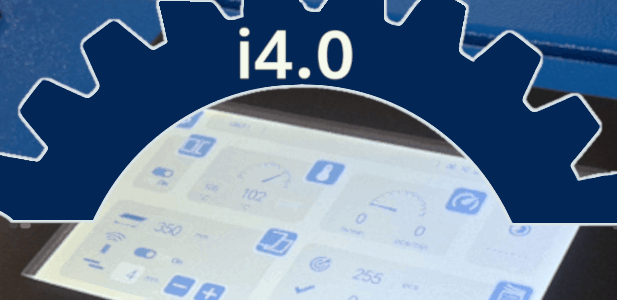
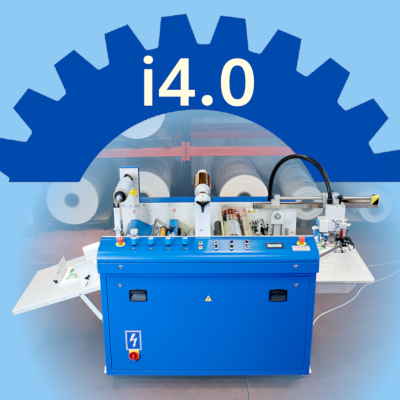
Introducing the next-generation control panel for D&K laminators, built to Industry 4.0 standards. Starting from fall 2025, D&K Europa models and higher are equipped with this panel. This intuitive in...
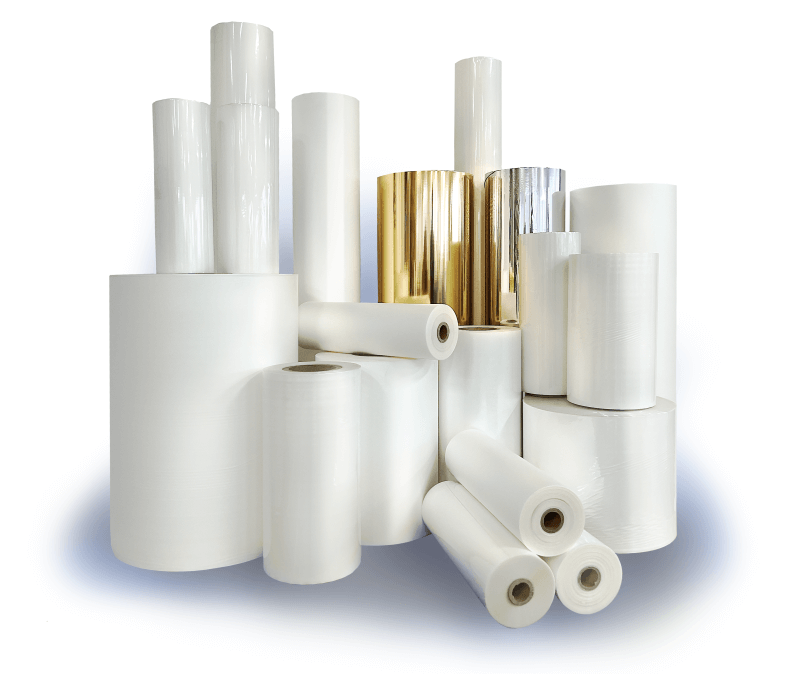
Selecting the right laminating film is just as important as choosing the laminator itself. Even a perfectly adjusted machine cannot deliver the expected results if the film is not suited to the substr...
In the era of digitalization and automation, Industry 4.0 opens new possibilities for the printing industry. Polish manufacturer of laminators and post-press machines, ZFP, offers solutions that suppo...
Encapsulation is a specialised form of double-sided lamination in which a printed sheet is completely enclosed between two layers of laminating film. The films are permanently bonded together not only...
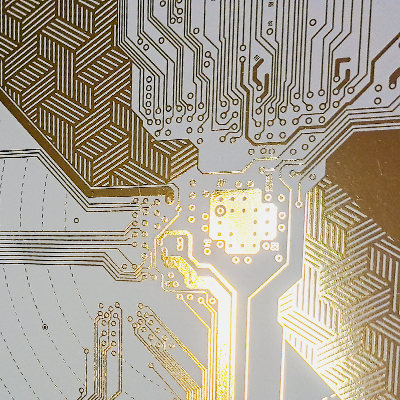
Digital Foiling, also known as Sleeking, is a process that applies decorative foil to selected areas of a printed sheet without the need for a metal die. The decorative foil adheres only to areas prin...
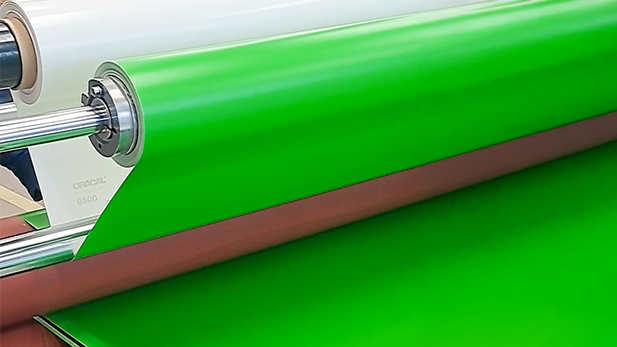
Cold lamination is a process used to protect and enhance the surface of a wide variety of materials without the use of high temperatures. Instead of heat-activated adhesive, it employs pressure-sensit...